Nitra, Slovakia, 16th of October 2026. What lies ahead for Slovakian agriculture, how can the sector evolve to meet the challenges and opportunities of the future, and can Slovakia draw inspiration from Denmark, where dedicated funding to strengthen the entire plant-based value chain is driving change in a participatory and bottom-up approach?
Member of the European Parliament Katarína Roth Neveďalová (non-attached member of the European Parliament, member of Smer-SD in Slovakia) brought together the Slovakian Minister of Agriculture and Rural Development, Richard Takáč, and key stakeholders from across the food value chain to address these questions.
Throughout the panel discussions, a common message emerged: Slovakian agriculture must continue to modernise to meet the growing challenges posed by climate change and an increasingly complex geopolitical landscape.
“Denmark’s experience offered concrete examples of how forward-thinking policies and collaboration across the value chain can help address these challenges. It was inspiring to see how targeted programmes can create benefits not only for society and consumers but also open new opportunities for farmers and the wider agricultural sector,” says Katarína Roth Neveďalová.
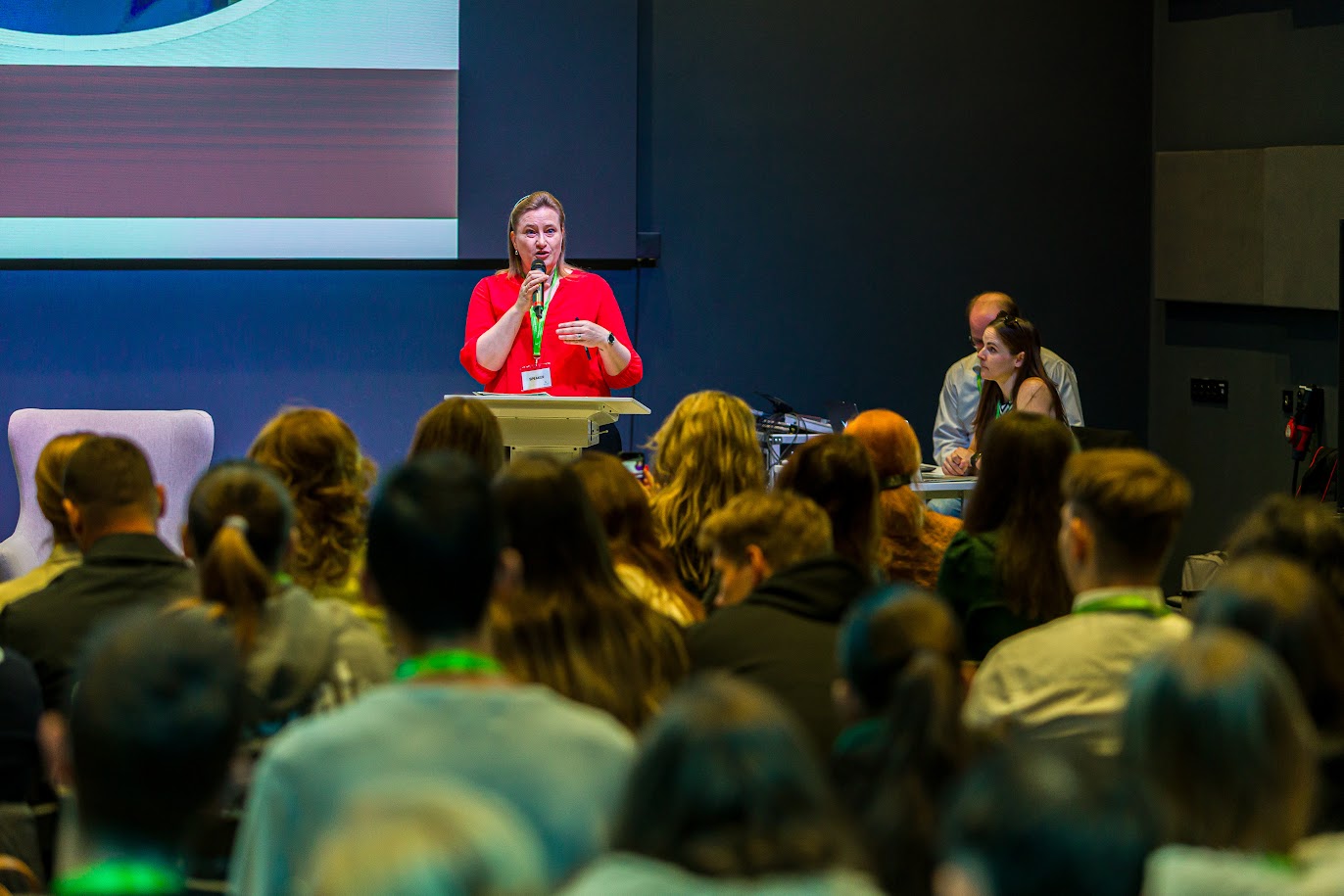
Rikke Ramm Eberlein, board member of the Danish Plant-Based Food Grant and team leader at Corporate Affairs at Lidl DK, presented the Danish €170 million Plant-Based Food Grant and how Denmark works to accelerate the transition towards a more plant-rich food system.
Her message was clear: government policy and funding have a vital role to play in turning sustainable ambitions into practical action.
Eberlein highlighted the importance of supporting the entire food value chain, from farm to fork. Farmers need confidence that there will be a market for their crops before committing their land to new varieties. Here demandside policies and funding is key.
Denmark’s approach demonstrates how targeted financial support can give farmers the opportunity to experiment, test new crops and identify the best conditions for growing legumes. By helping farmers take those first steps, policymakers can reduce the risks associated with change while laying the groundwork for a more diverse and sustainable agricultural sector. And by in parallel supporting market uptake, the business case for the new crops on the field is more secure.
The event took place at the Slovak University of Agriculture in Nitra, Slovakia’s leading and only university dedicated to agriculture. It welcomed more than 500 Slovak students, offering the next generation of farmers, food producers and industry professionals valuable insight into the future of food and agriculture.
The participation of the Danish representative and this article is undertaken as part of the TASTE project, which has received funding from the Green Development and Demonstration Programme (GUDP) under the Ministry of Business and Competitiveness of Denmark. Views and opinions expressed are however those of the organiser(s) only and do not necessarily reflect those of the European Union, and neither the European Union nor the funding authority can be held responsible for them.