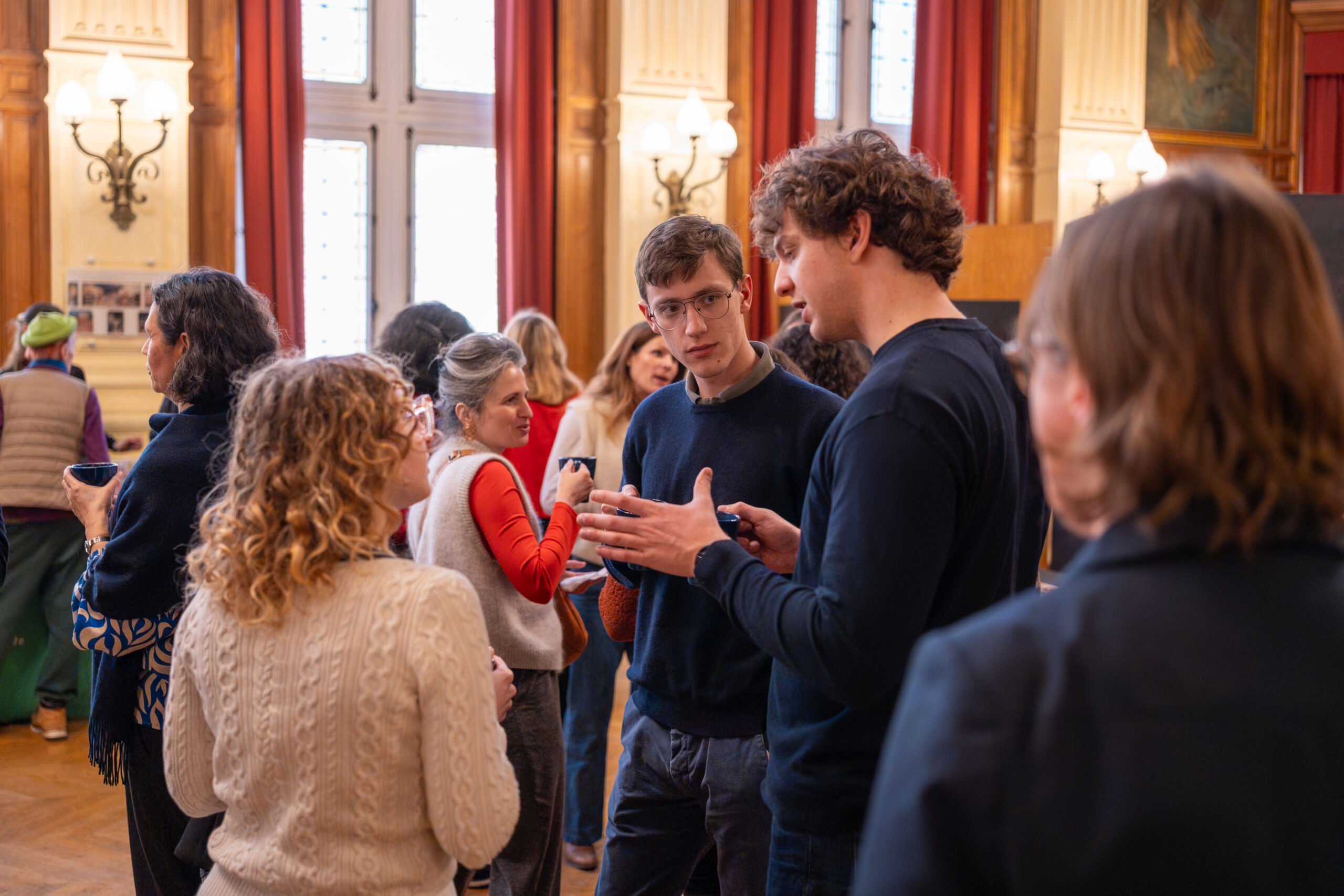
Paris, 15th of January 2026. How can France produce and consume more legumes? That was the overarching challenge when farmers, industry representatives, policymakers, and other stakeholders gathered at the event “Wonderful Legumes”.
Legumes are an important part of a healthy diet, and French dietary guidelines recommend eating them at least twice a week. Despite the fact that these intake recommendations are not followed by the French population, France is not self-sufficient in legume production. Increasing legume production is therefore closely linked to food sovereignty, which has become a key focus for the French government and the Ministry of Agriculture and Food Sovereignty.
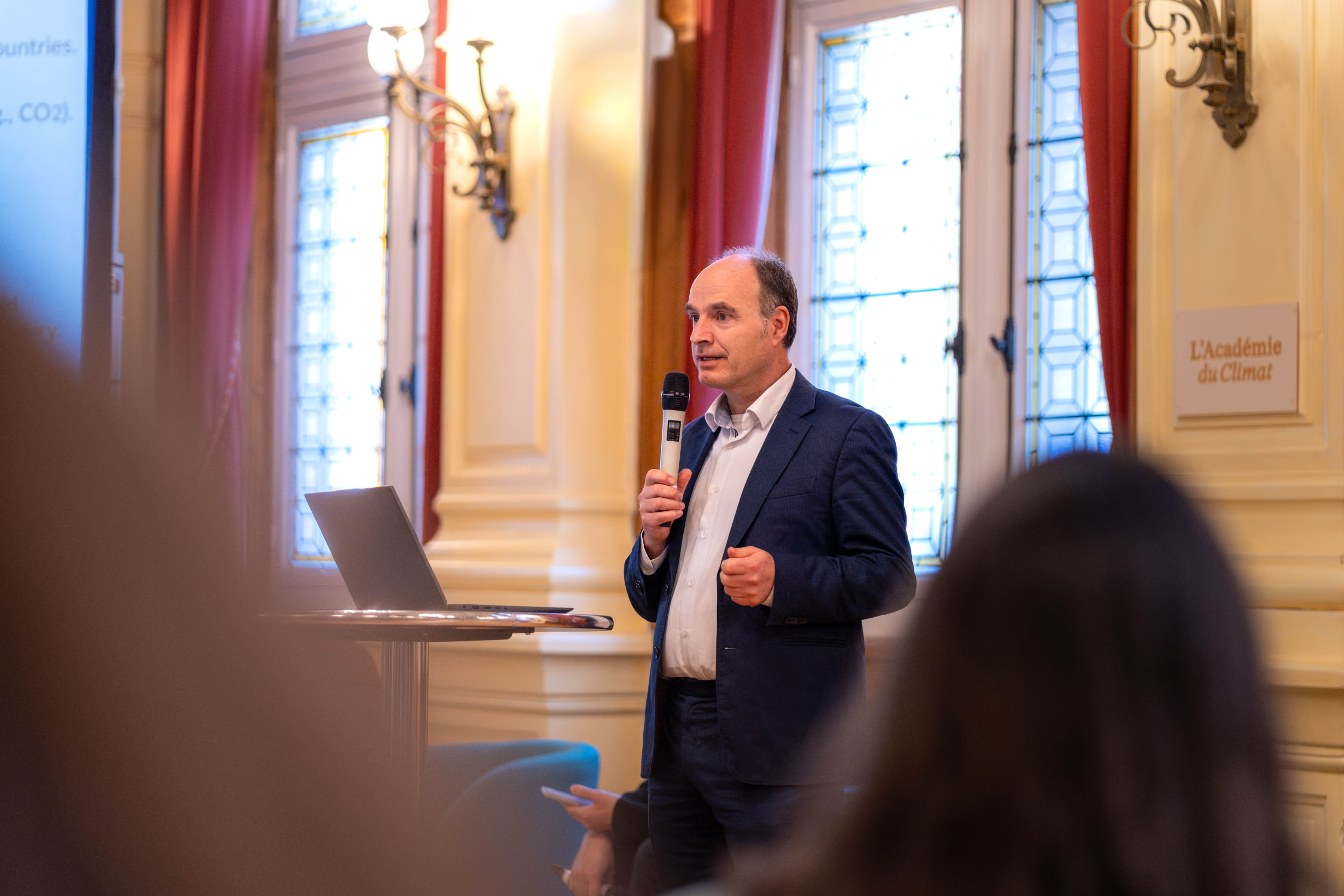
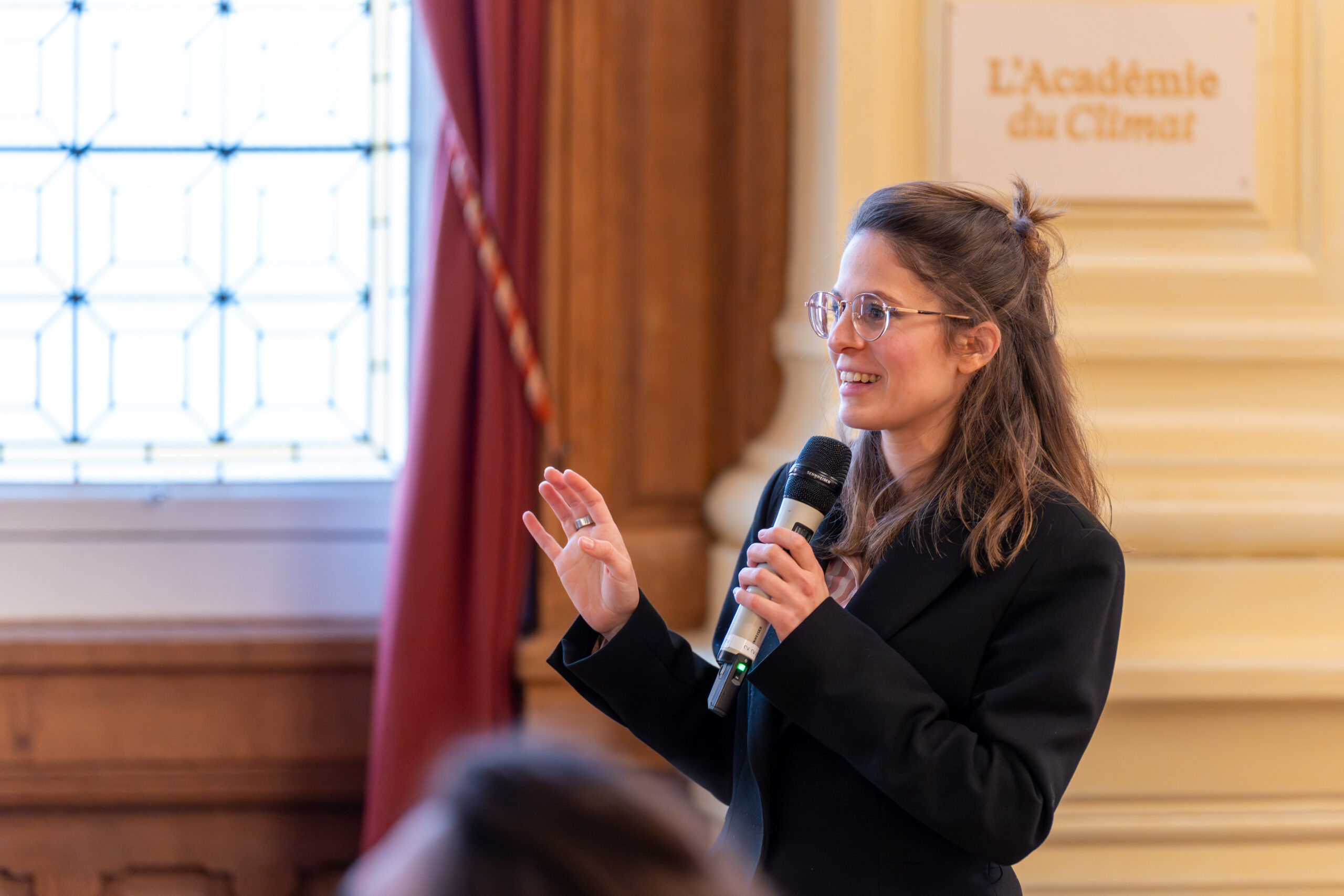
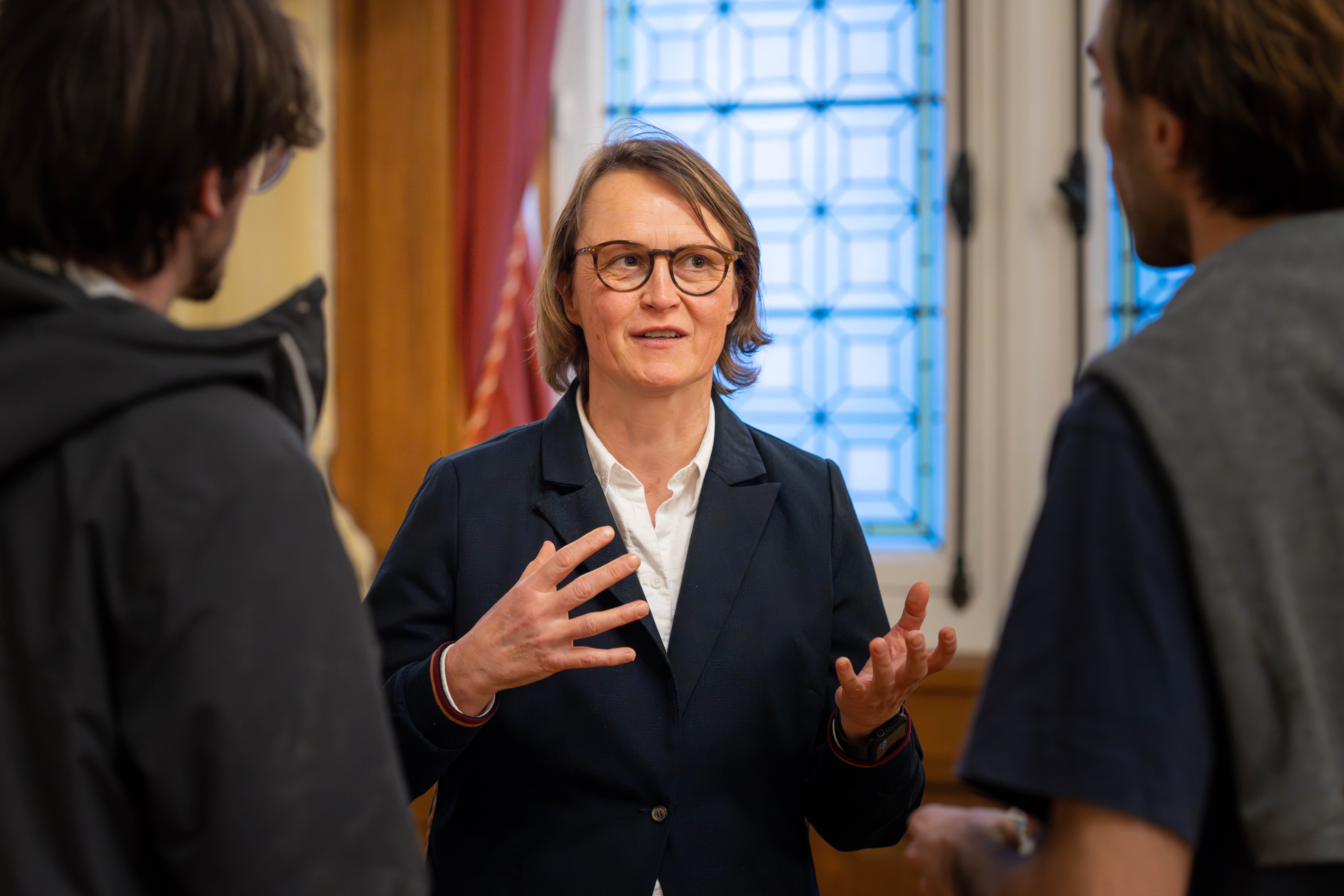
Farmer representatives from France and experts from the Netherlands and Denmark all took the floor, sharing insights and knowledge on the many aspects of legume production — from value-chain development to how EU policies can support legume growers.
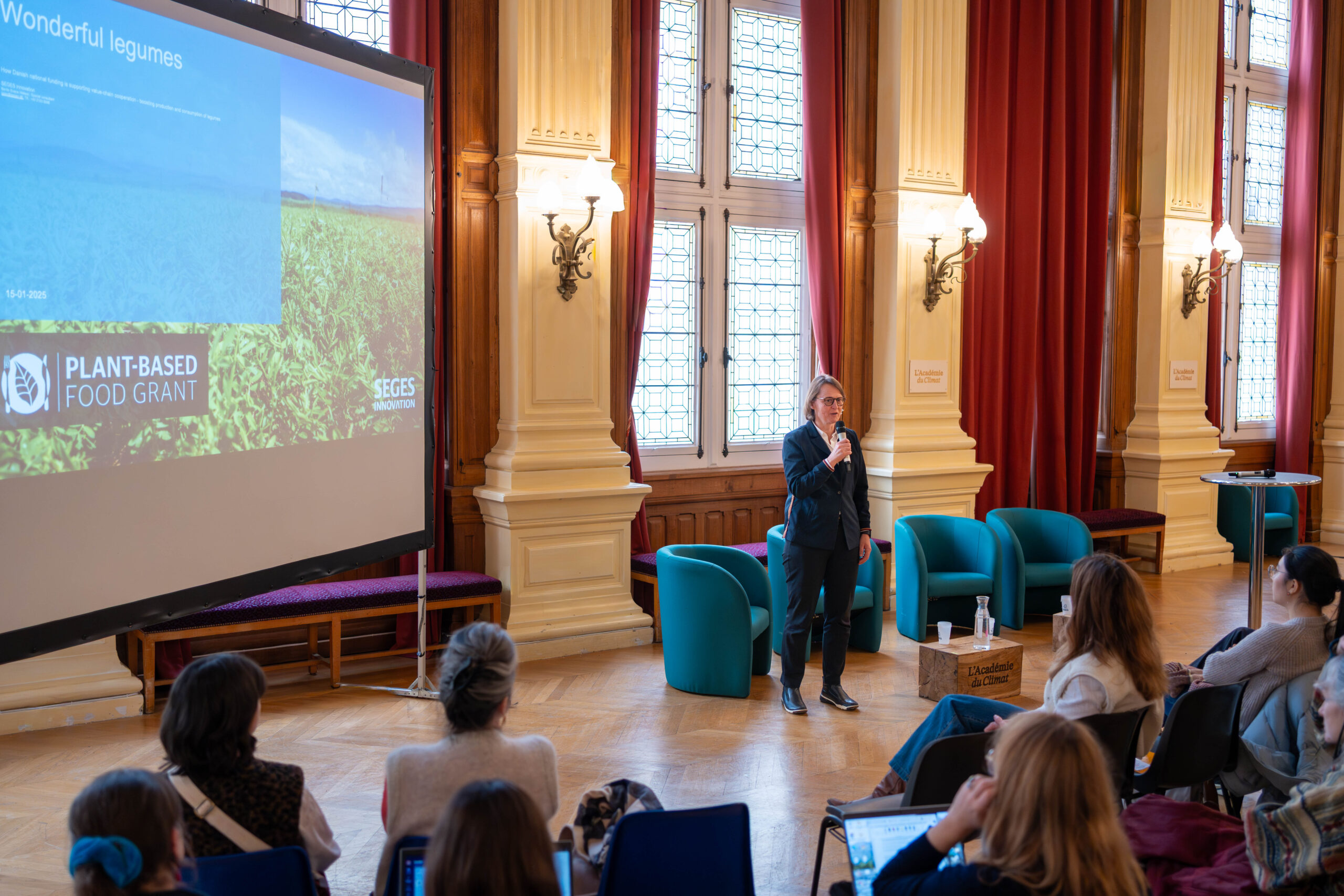
From Denmark, Bente Svane Nielsen, Senior Consultant at SEGES Innovation, presented a project that brings together all actors in the value chain to increase both the production and consumption of legumes. Supported by the Danish Plant-Based Food Grant, the project served as a strong example of how Denmark’s Action Plan for Plant-Based Foods and its accompanying grant scheme are driving value-chain development in the plant-based food sector.
France has set a goal of significantly increasing its legume production, both within the framework of the National Low-Carbon Strategy (SNBC) and the National Strategy for Food, Nutrition and Climate (SNANC). French farmers are therefore looking for pathways to produce legumes in a manner that is both environmentally and economically viable.
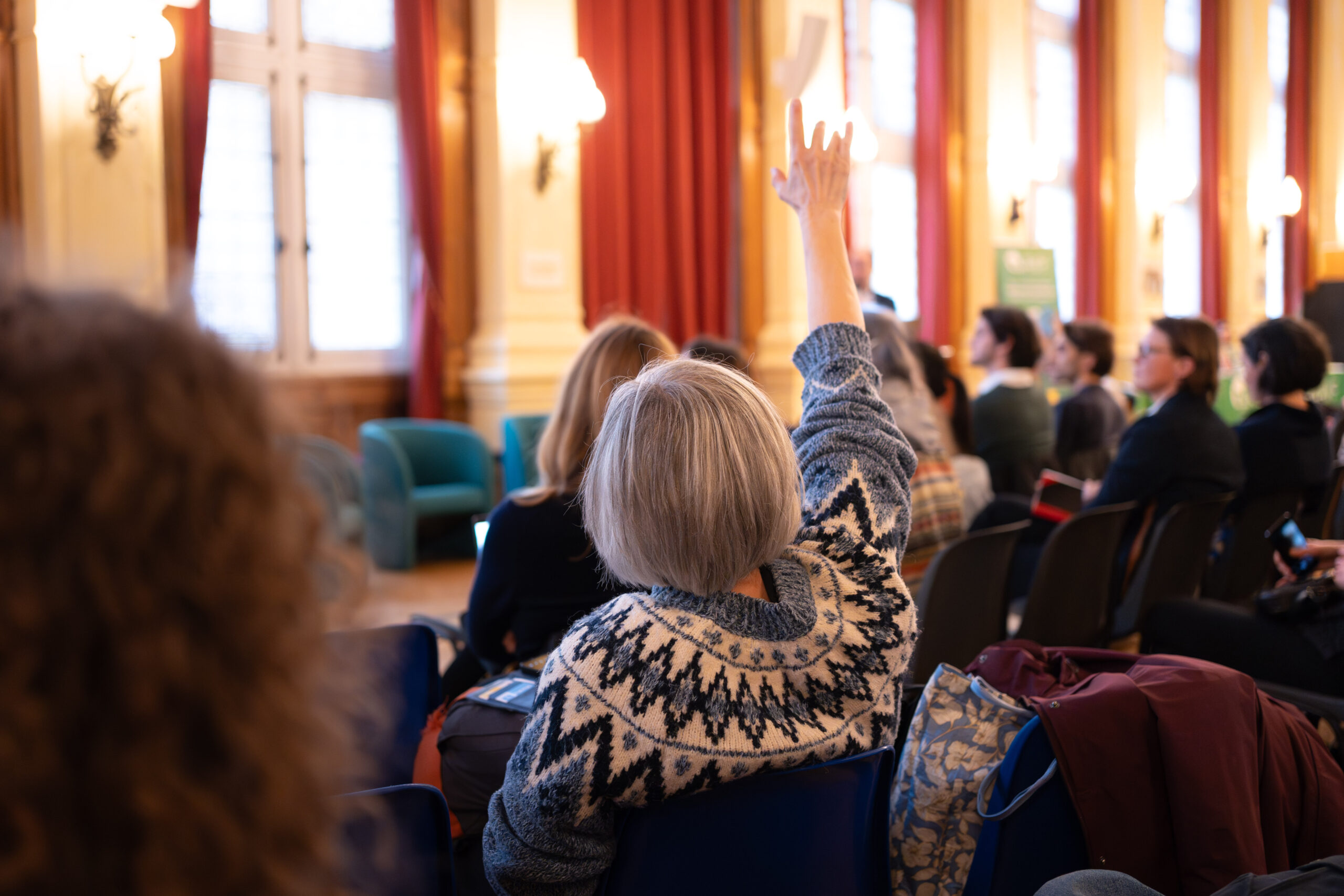
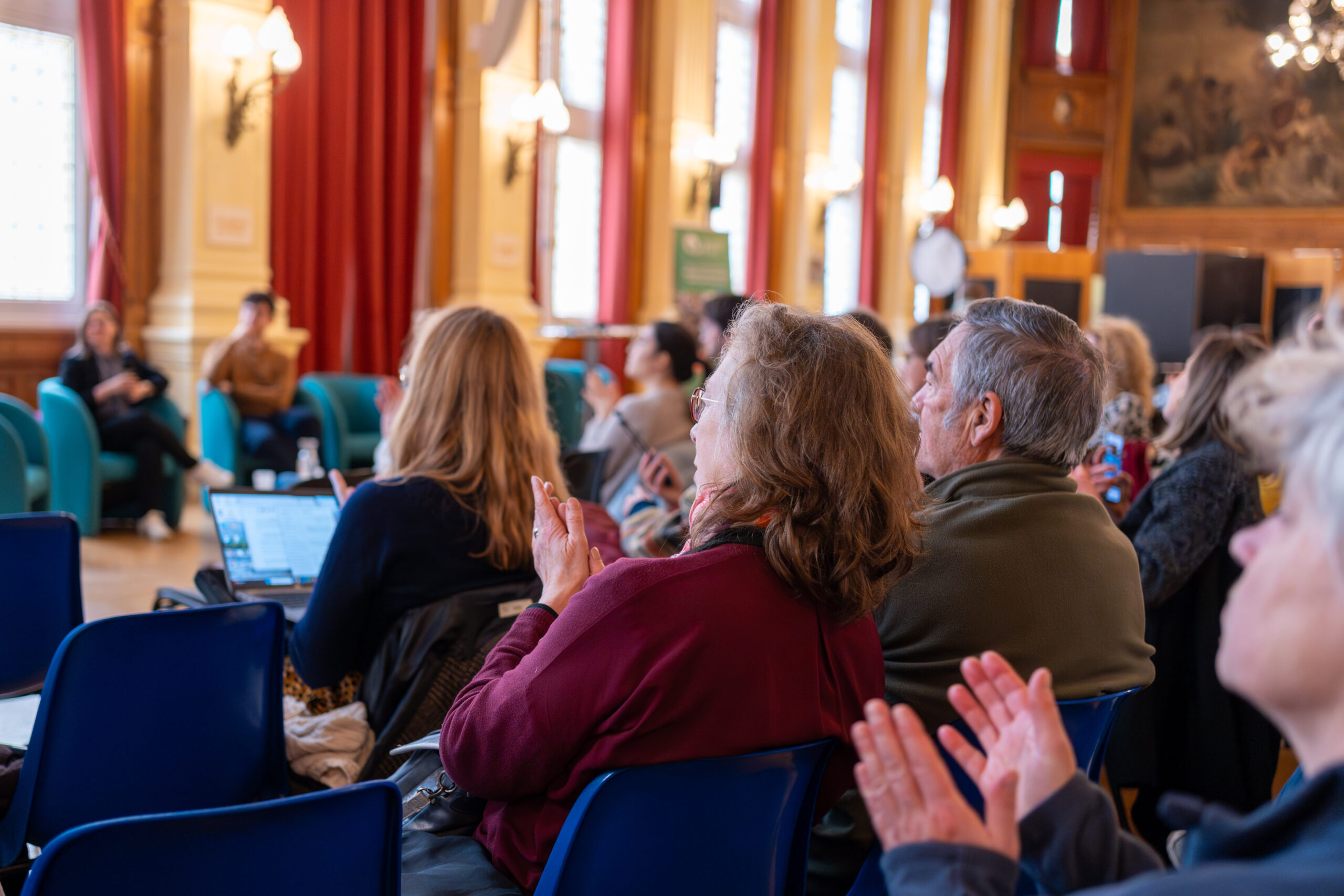
The presentation and the Danish funding opportunities resonated strongly with the farmers and policymakers in the room, providing inspiration for further policy development and initiatives aimed at increasing legume production and consumption.
Other speakers included Terra Univia, which organizes producers of vegetable oils and proteins; the European Association of Cooperative Banks; the TAPP Coalition; the Institute for European Environmental Policy; L’AVF; and the Association Végétarienne de France.
The event was organized by L’AVF (Association Végétarienne de France), DataForGood, the TAPP Coalition, and ALTAA (Alliance pour les Transitions Agricoles et Alimentaires), and was supported by Danish Plant-Based Diplomacy.
More information and presentations can be found on the AVF website or the TAPP website.

This is event was co-financed as part of the ISAAP project under EIT Fod.
