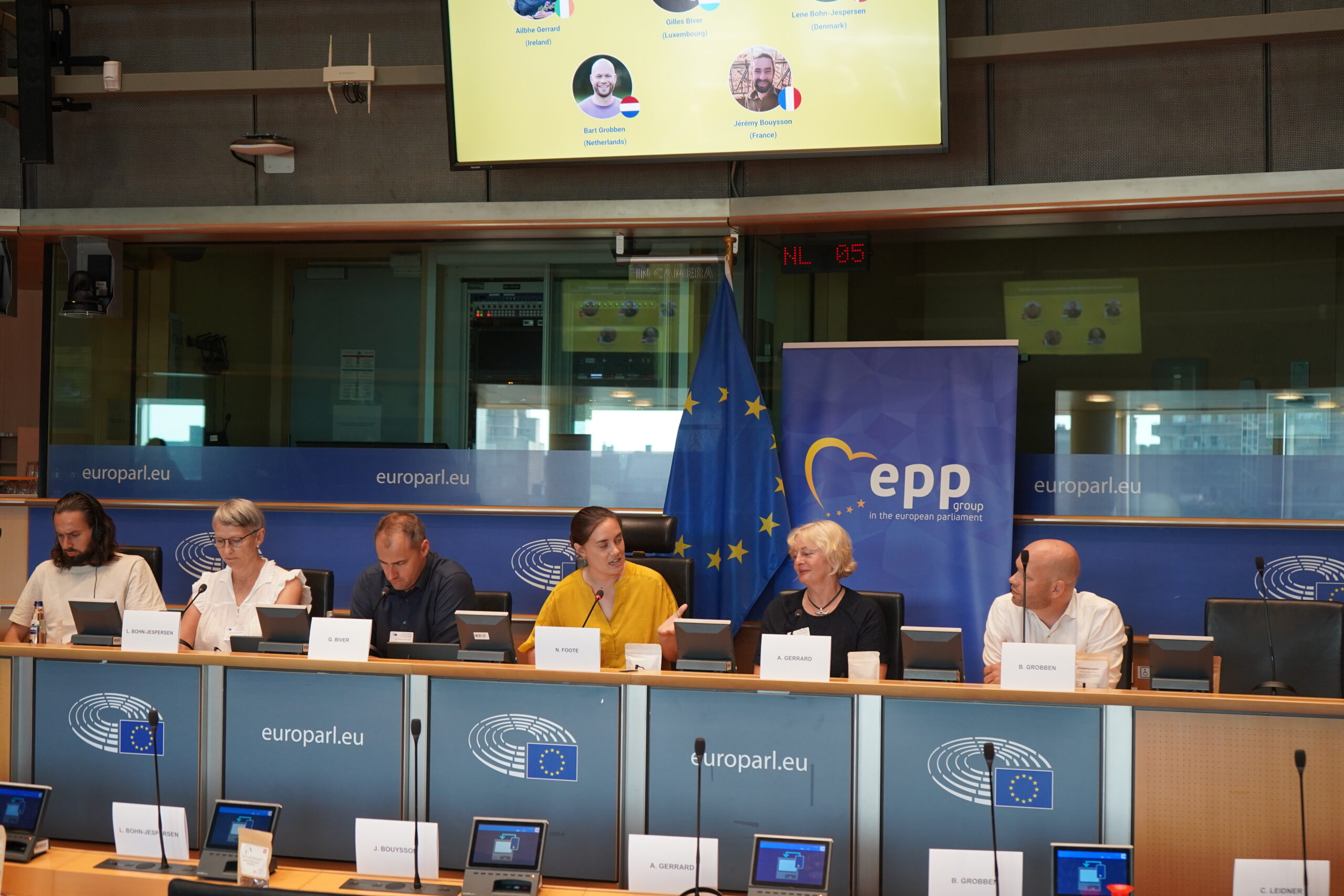
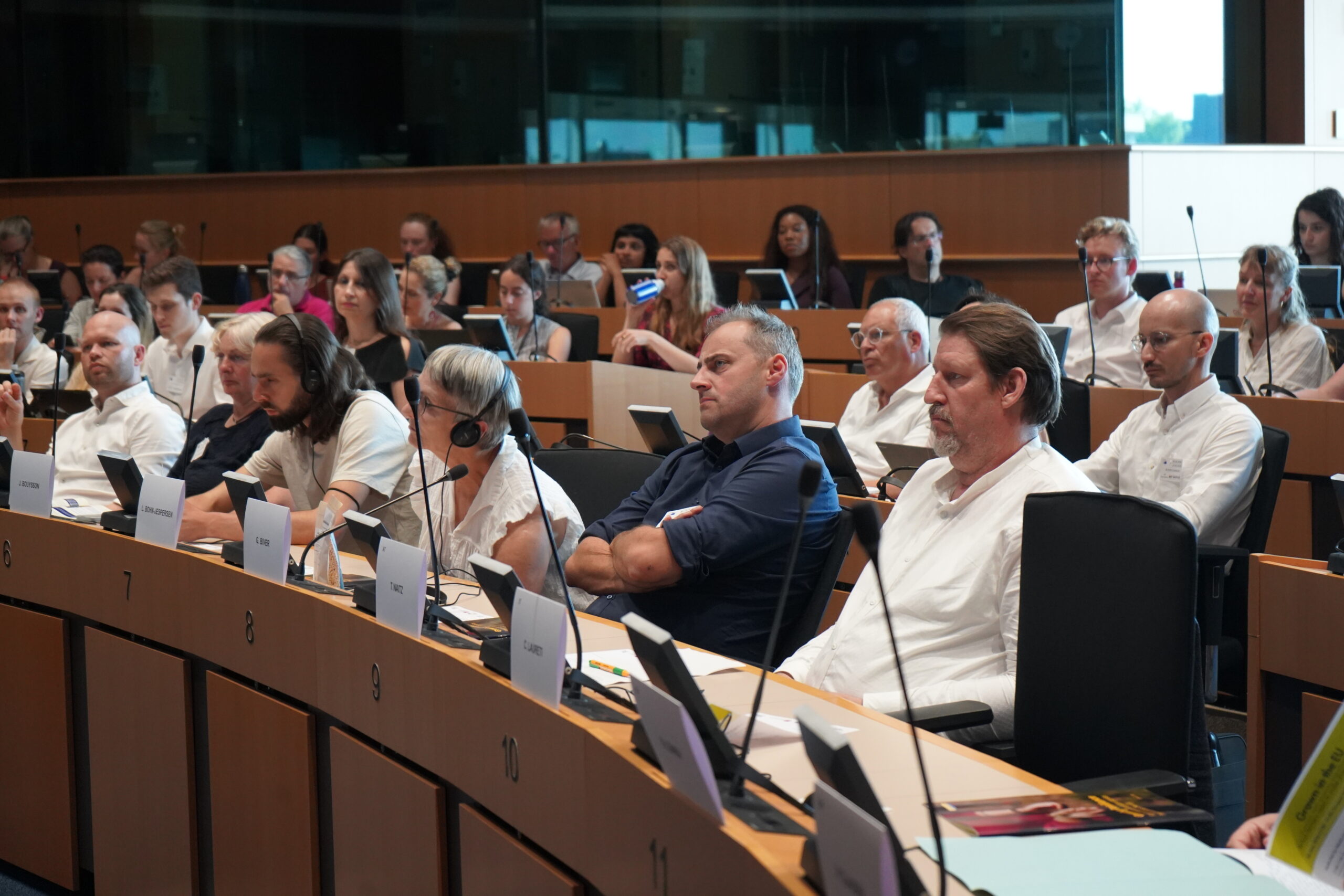
Brussels, 24th of June 2026. Farmers from Ireland, The Netherlands, Luxembourg, Denmark and France shared their experiences of diversifying into protein crops in a packed room at the European Parliament, highlighting both the opportunities and the challenges of being a first mover.
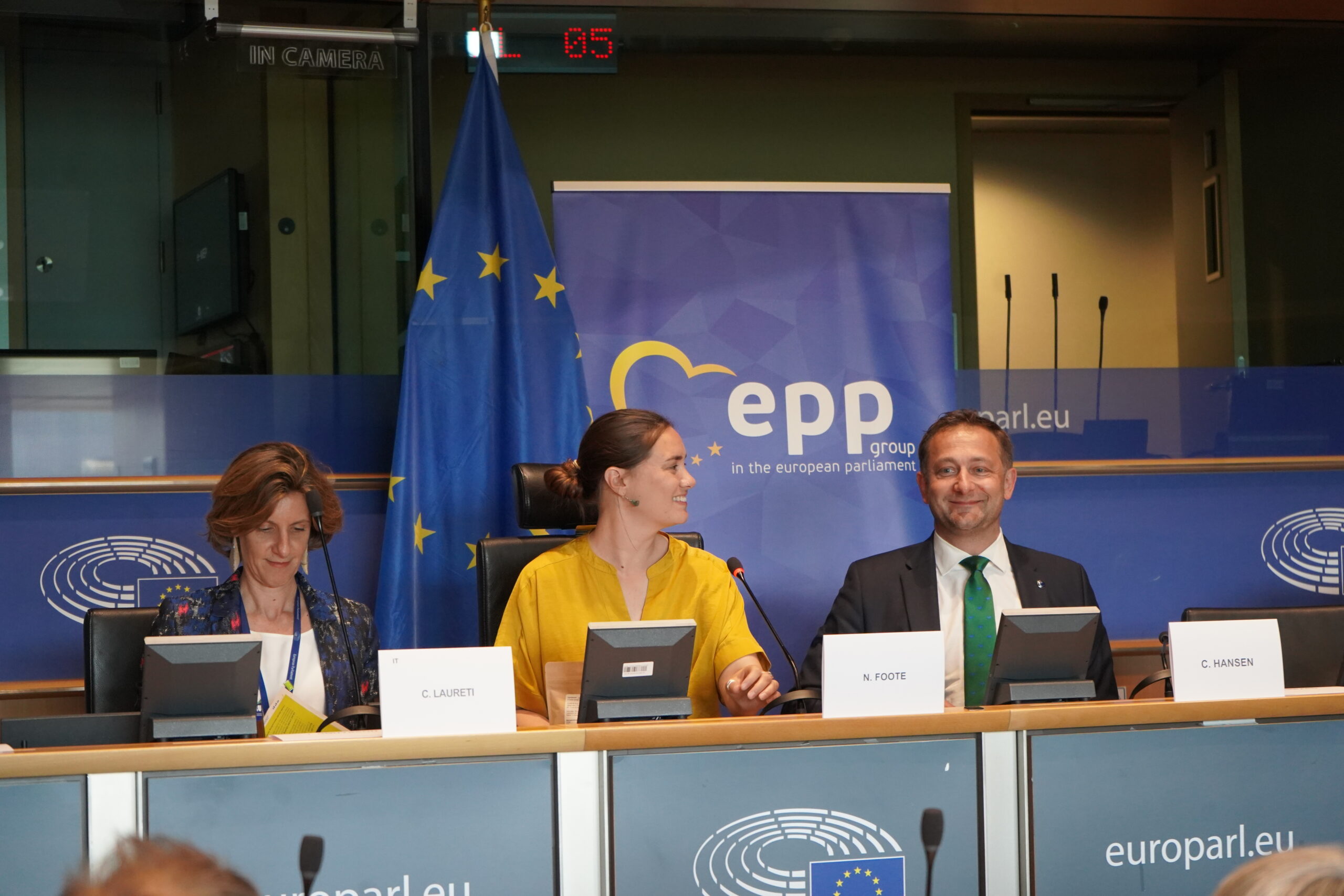
EU Commissioner for Agriculture and Food Christophe Hansen opened the event, stressing that diversification must work for farmers, and be both profitable and feasible. At the same time, he acknowledged the many barriers’ farmers face when introducing new crops and practices.
“Legumes deserve a very central place in the European protein discussion. Beans, peas, lentils, fava beans, soya and clover are part of Europe’s farming heritage,” said Christophe Hansen, EU Commissioner for Agriculture and Food.
The farmers on stage all demonstrated entrepreneurship, but they also shared a common experience: being a first mover comes at a price. Many of the obstacles they encounter are linked to the fact that they are doing something new. From finding suitable machinery and processing facilities to agronomic advice, securing investment, developing markets and navigating uncertainty around demand. And doing this almost alone. The need to strengthen demand and develop functioning value chains was a consistent theme throughout the discussion.
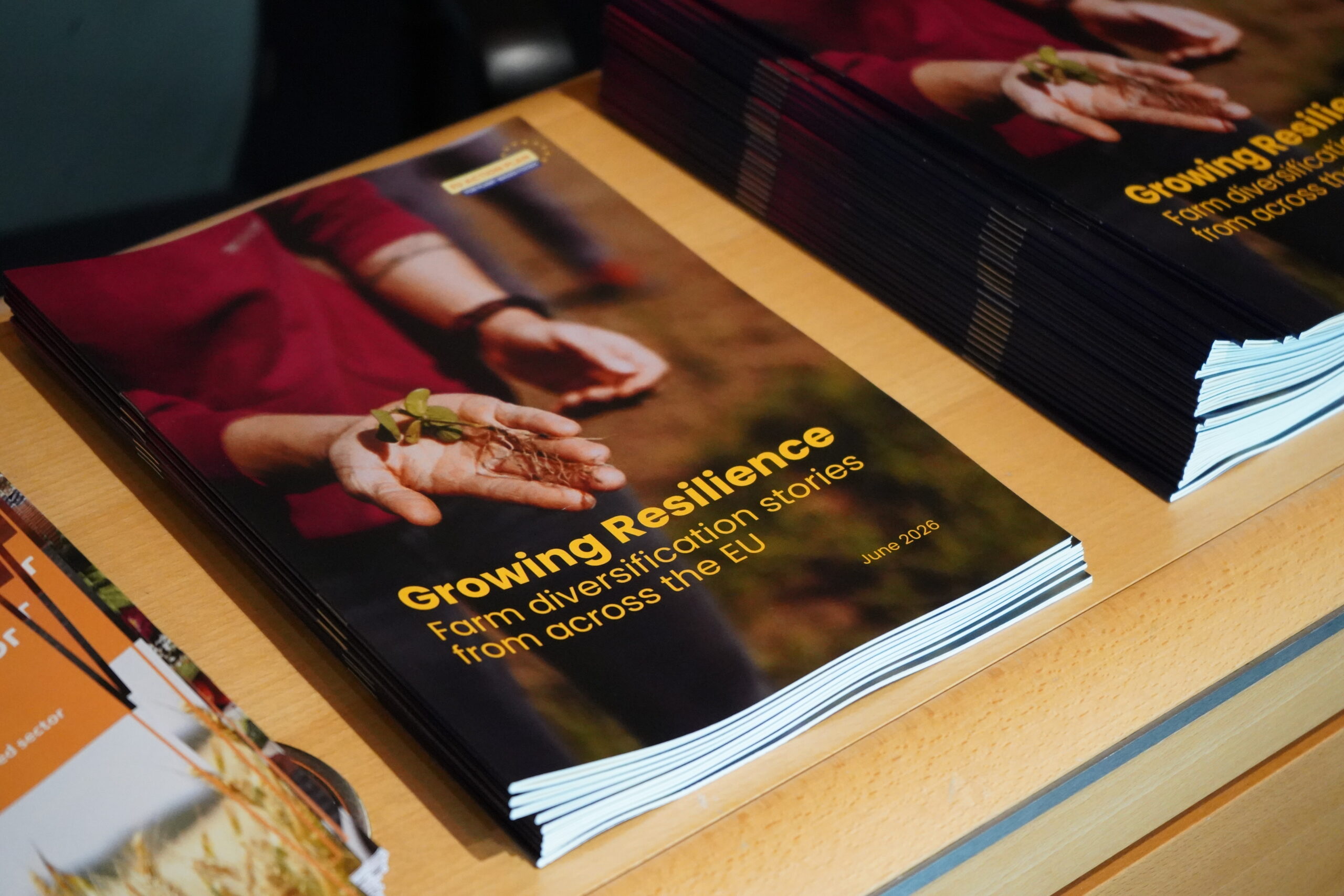
A new report released at the event, based on interviews with 33 farmers across 18 EU Member States, highlights many of these challenges, as well as potential solutions, for farmers diversifying into legumes, quinoa and other pulses. Access to machinery, processing, farm advice, investment, marketing and reliable markets emerged as barriers.
Commissioner Hansen emphasised that farmers need a combination of tools and incentives, supported by a coherent policy toolbox. He also highlighted the importance of measures that can stimulate demand, pointing to the EU’s upcoming agricultural policy as one important instrument for delivering the support needed to enable diversification.
Denmark offers a good example of how targeted public investment can help build and strengthen the plant-based value chains. The country has allocated EUR 170 million to a Plant-Based Food Grant, supporting projects across the value chain. The Danish initiative was highlighted by Danish farmer representative Lene Bohn Jespersen from Bælgkompagniet, who took part in the farmers’ panel.
Looking ahead, Paul Savage, Assistant Secretary General at Ireland’s Department of Agriculture, Food and the Marine, gave the closing remarks on behalf of the upcoming Irish Presidency of the Council of the EU. He highlighted the optimism expressed throughout the event and in the new report, and noted that diversification could also play a role in supporting generational renewal in farming. Paul Savage confirmed that diversification will be among the Irish Presidency’s key priorities for the CAP negotiations.
The event was co-hosted by MEPs Paulo do Nascimento Cabral (EPP), Barry Cowen (Renew), Camilla Laureti (S&D), Thomas Waitz (Greens) and Per Clausen (The Left). The report published and organisation of the event was done by the group of NGOs behind the call for an EU Action Plan for Plant-Based Foods.
Find more information, including a recording of the event and a link to the report here.
Participation in the event of the Danish speaker is part of an EU project, which has received grants from the Green Development and Demonstration Programme (GUDP) under the Ministry of Food, Agriculture, and Fisheries of Denmark.