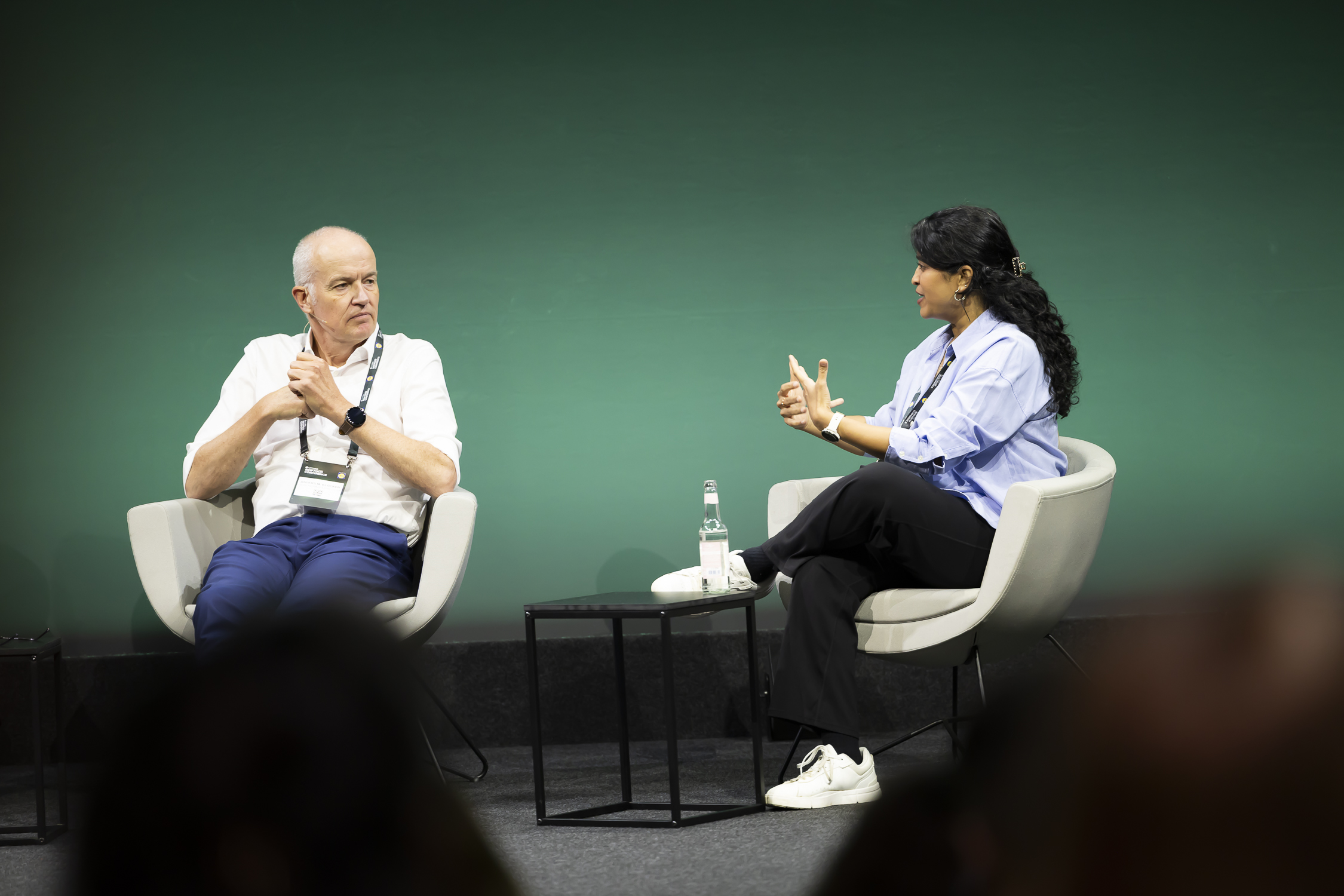
Berlin, 24/25th of August 2026. At the successful panel debate In Times of Crisis: Turning Supply Chain Risks into Growth Opportunities the Danish Plant-Based policies were put forward as one way to turn challenges in the German food system – like food security, autonomy and health issues – into possibilities.
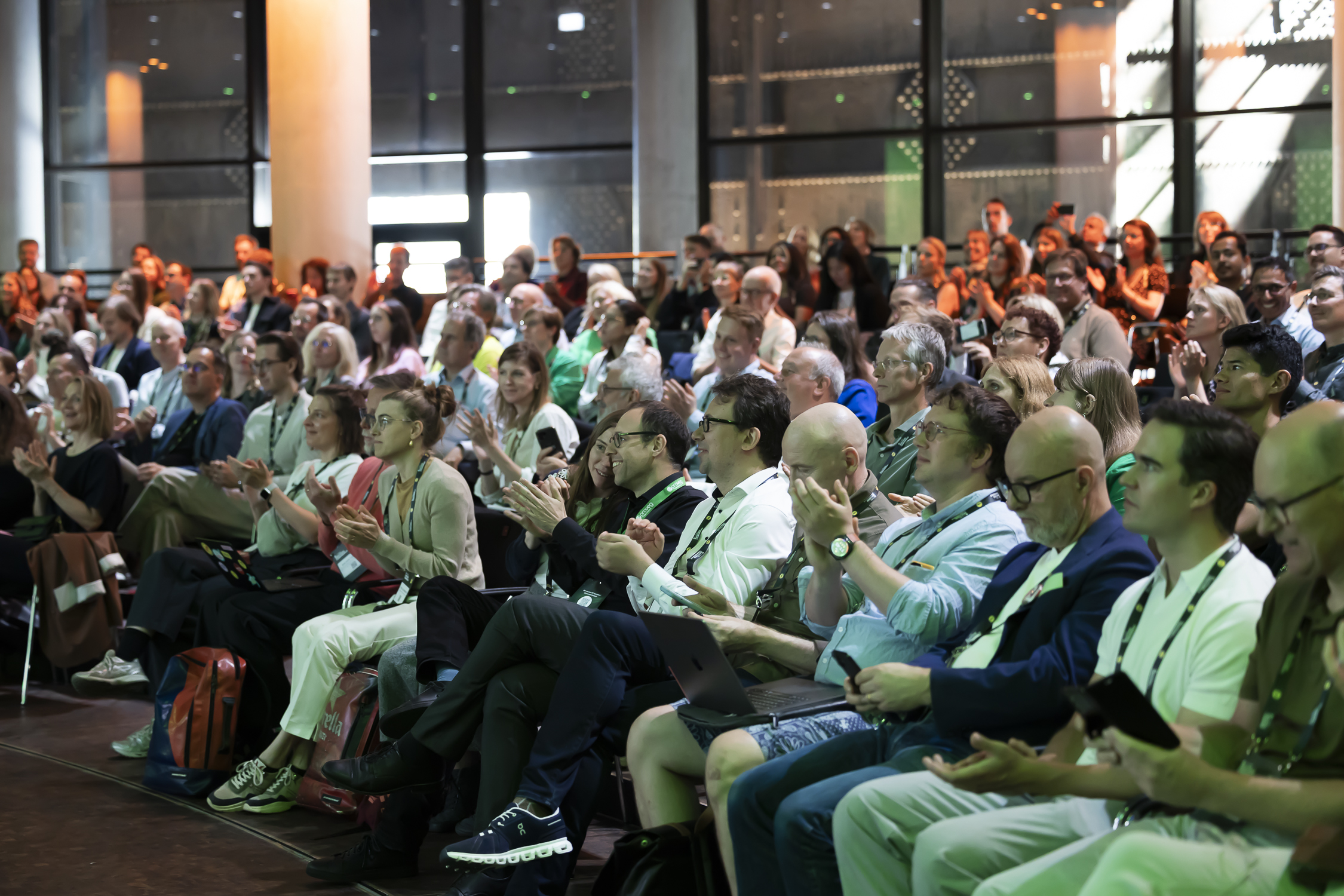
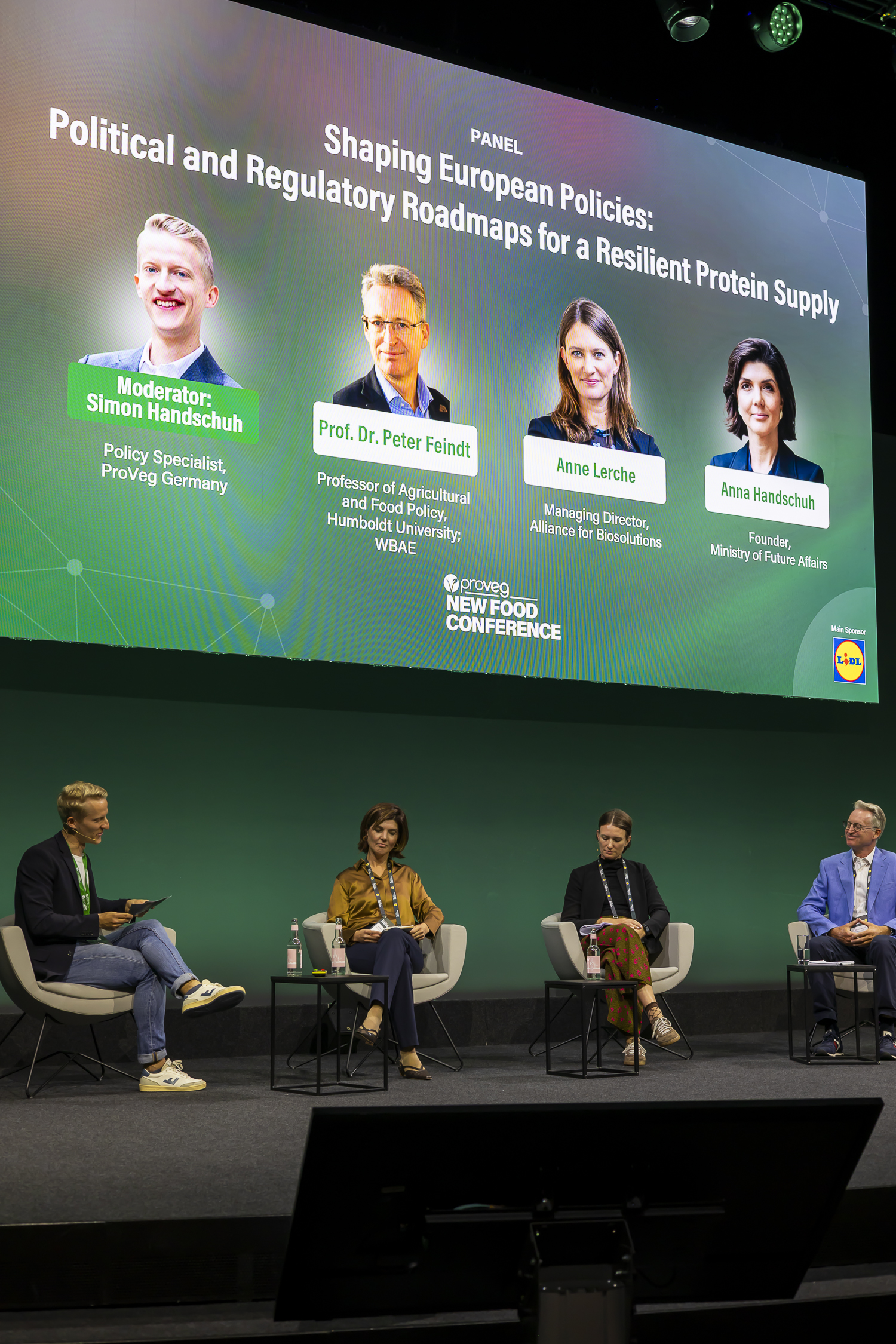
The panel debate took place at this year’s New Food Conference in Berlin. The conference is organized by ProVeg International and brings together actors from across the value chain as well as policy makers and ministry representatives.
From Denmark the Danish farmers organisation, Danish Agriculture and Food Council, were present to advocate for a holistic and consistent support and development of the plant-based value chains.
“The Danish National Action Plan for Plant-Based Foods as well as the Plant-Based Food Grant are examples of how to build a realistic transition while maintaining social cohesion. It brings together actors from across the entire value chain to take the first steps towards change”; Anders Klöcker, Head of Innovations from the Danish Agriculture and Food Council stated from the stage.
A more plant-rich food system is part of the solution to multiple challenges. Growing more legumes will reduce Europe’s dependence on imported fertilisers and feed, while diets rich in vegetables, fruit and legumes will improve public health.
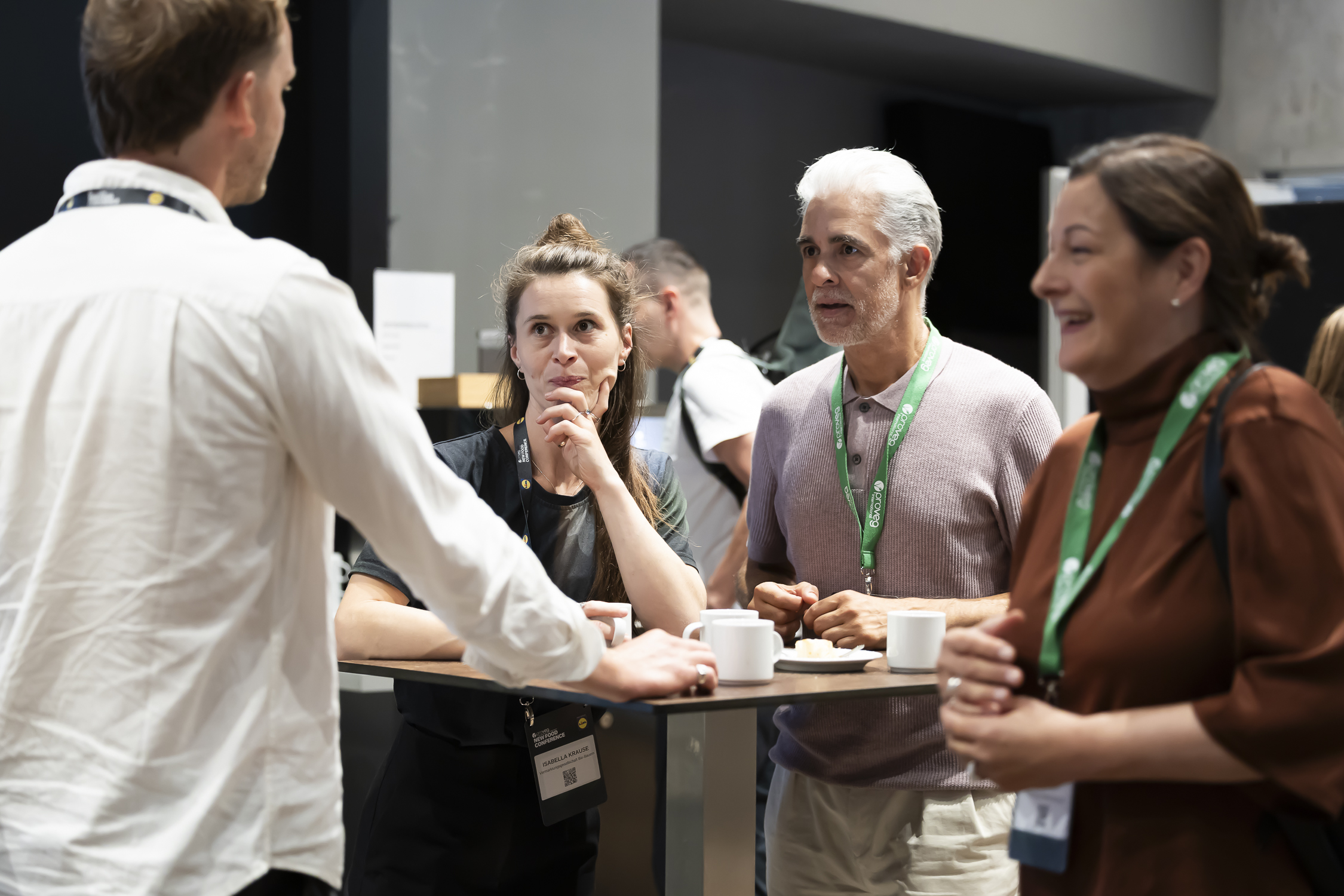
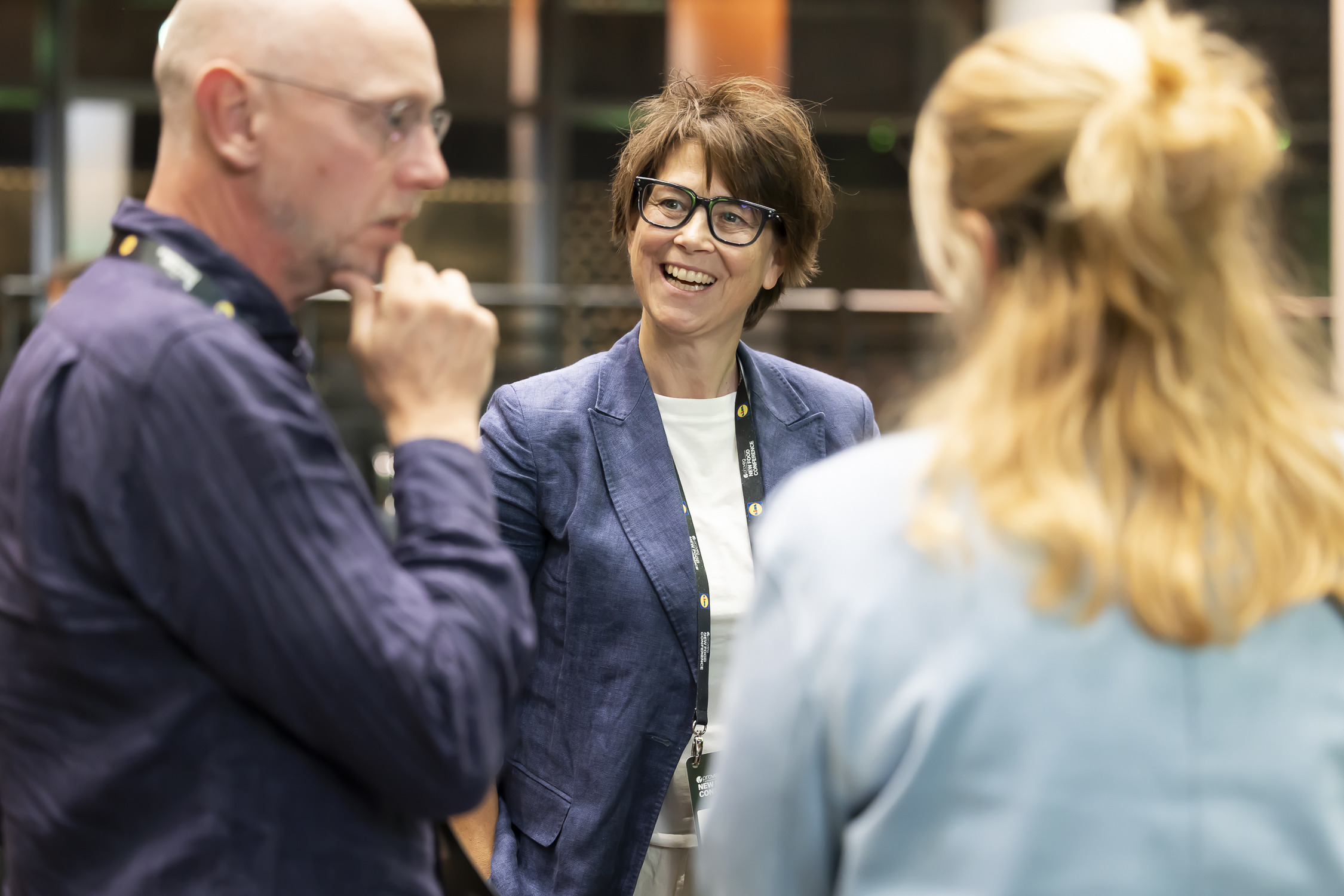
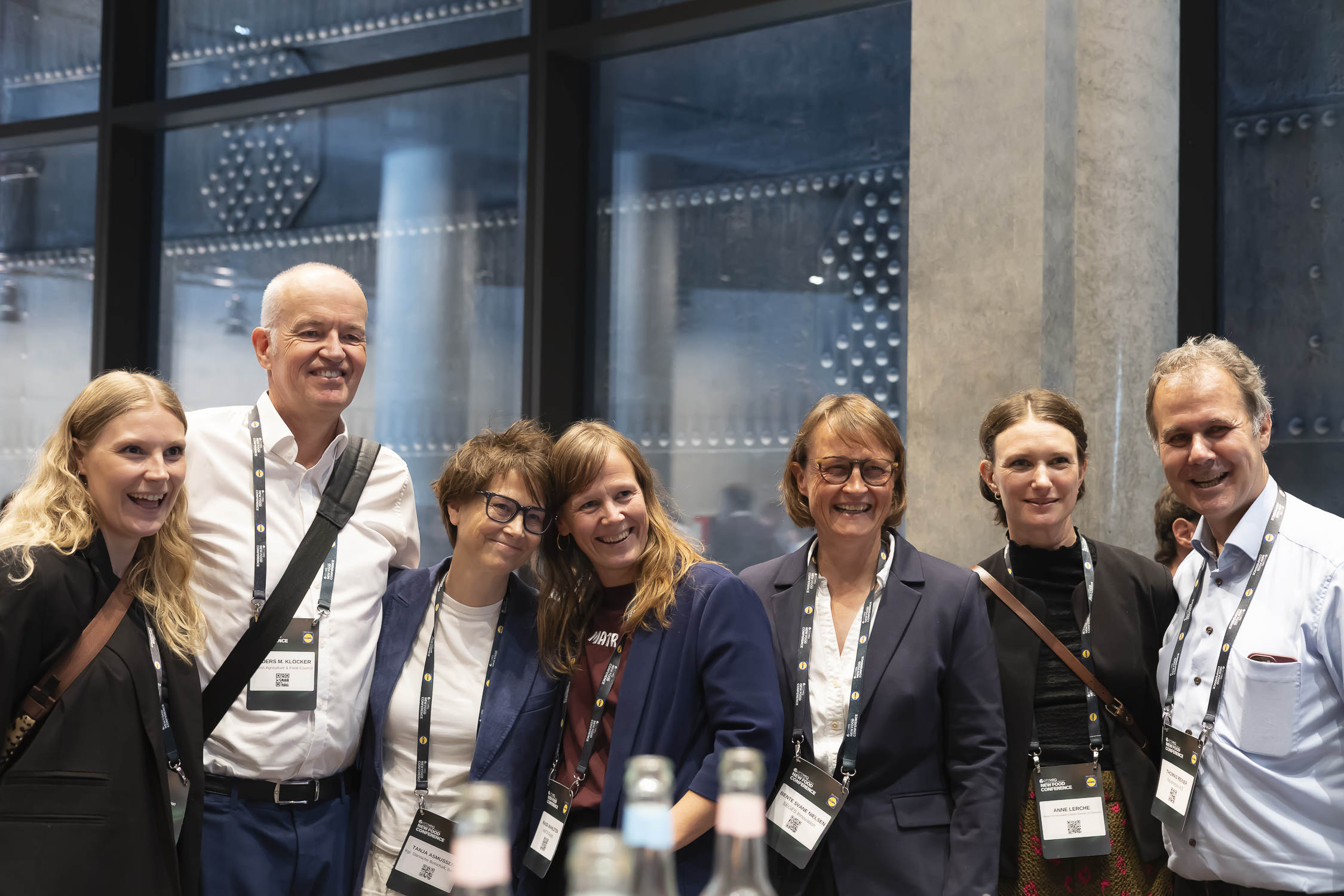
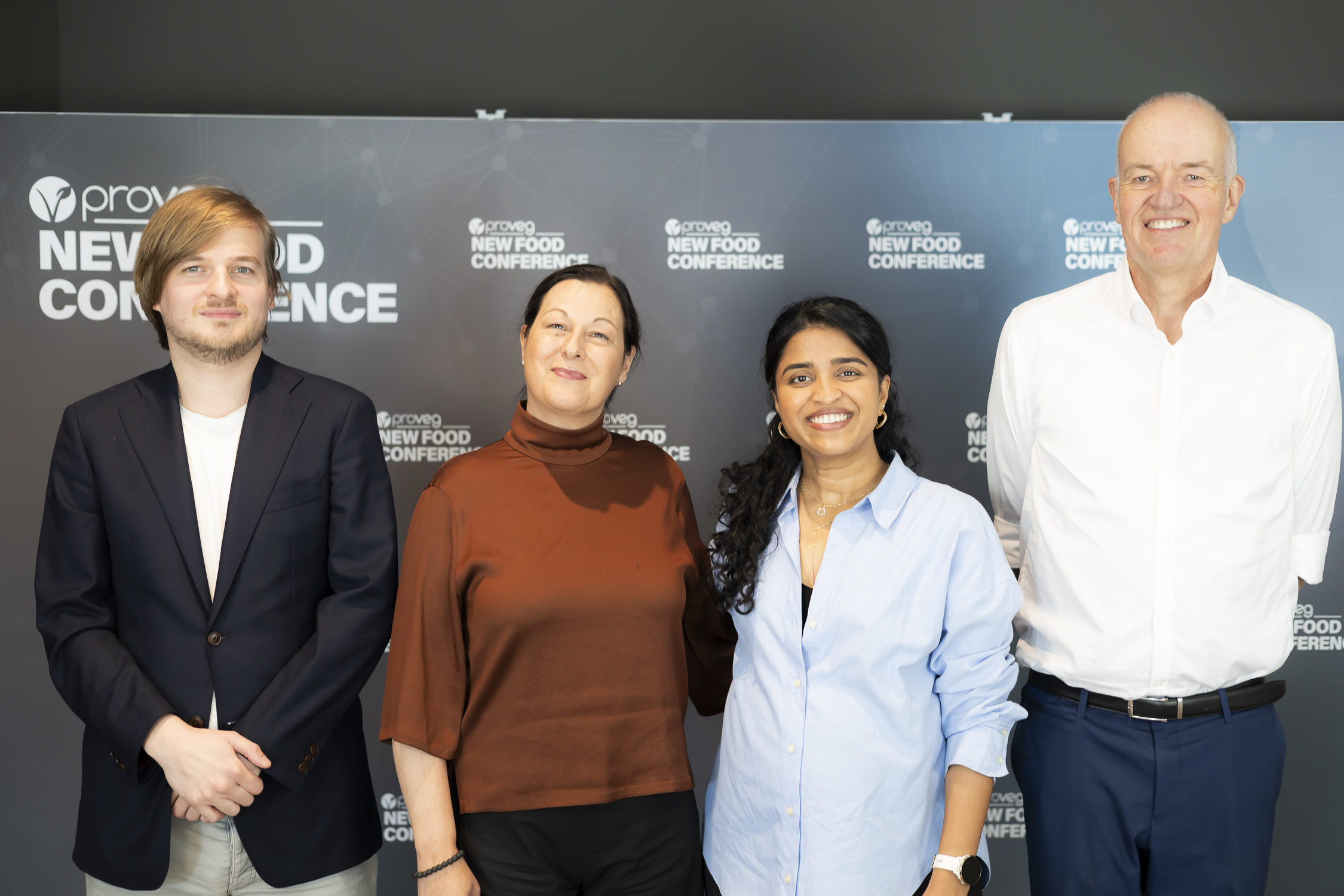
In a pre-conference event ‘Leaders for Protein Diversity’ Anders Klöcker participated in a roundtable dialogue with e.g. the German Agricultural Society (DLG) and Good Food Institute (GFI) sharing experiences and best practices for the development of the food system.
In the German farming landscape there is appetite for more dialogue and sharing of knowledge. With a focus on the Danish plant-based policies. Anders Klöcker and Line Rise Nielsen, Public Procurement Specialist and EU Policy Manager at the Vegetarian Society of Denmark are invited to take part in panel debates and dialogue at the Inhouse Farming – Feed & Food Convention, taking place in Hamburg in April 2027.
The participation of the Danish representative and this article is undertaken as part of the TASTE project, which has received funding from the Green Development and Demonstration Programme (GUDP) under the Ministry of Business and Competitiveness of Denmark. Views and opinions expressed are however those of the organiser(s) only and do not necessarily reflect those of the European Union, and neither the European Union nor the funding authority can be held responsible for them.